Have you ever felt disappointed by online shopping? Especially, when that "must-have" arrives that doesn’t really look like what you wanted? Unfortunately, online purchasing can sometimes lead to a "what I ordered vs. what I got" meme in real life. Sad, but the truth is, we've all been there.
But here’s the good news! There's a virtual hero ready to rescue you from all the e-shopping disappointments, and it's nothing but 360° product photography. Even more than just a current trend, this 360° rotating product photography is a real game-changer for businesses who want satisfied customers and better sales.
So, are you interested to know more?
Then, let's explore the world of 360° product photography, from its surprising past to the essential tips you need to know from this blog.
Well, think that you have been looking at a really cool backpack online and wish to pick it up and turn it around to see all the pockets, the strap details, and how it looks from the back.
That's essentially what 360° product photography lets us do!
The business owner basically manages to take a whole series of photos of that backpack as it slowly rotate, capturing every single angle. Then, they put it all together so we can virtually grab it with our mouse or finger and spin it around ourselves.
360° product photography service mainly helps us feel like we're right there in the store, getting a really good look at the products before deciding.
Commercial photography in 360° angles works to make audiences able to spin the product around on their screens. So here's a step-by-step idea to make you understand how 360° product photography turntables work:

"Spins" are the main attraction to observe every corner of it but with different methods. Now let’s know about their variaitons from the following.
Mainly, you can just watch it play. Let's say you're buying a flat-pack bookshelf. Instead of just instructions, you see a quick time-lapse of it magically assembling itself in a 360° view to see how all the parts fit together from every angle. Cool, right? This 360-degree apparel photography mainly works like this.
These are like little movies of the product slowly turning. You can see it from all sides, but sadly, you can't control the spin yourself. It's like the product is on a little rotating stage, showing off its good looks.
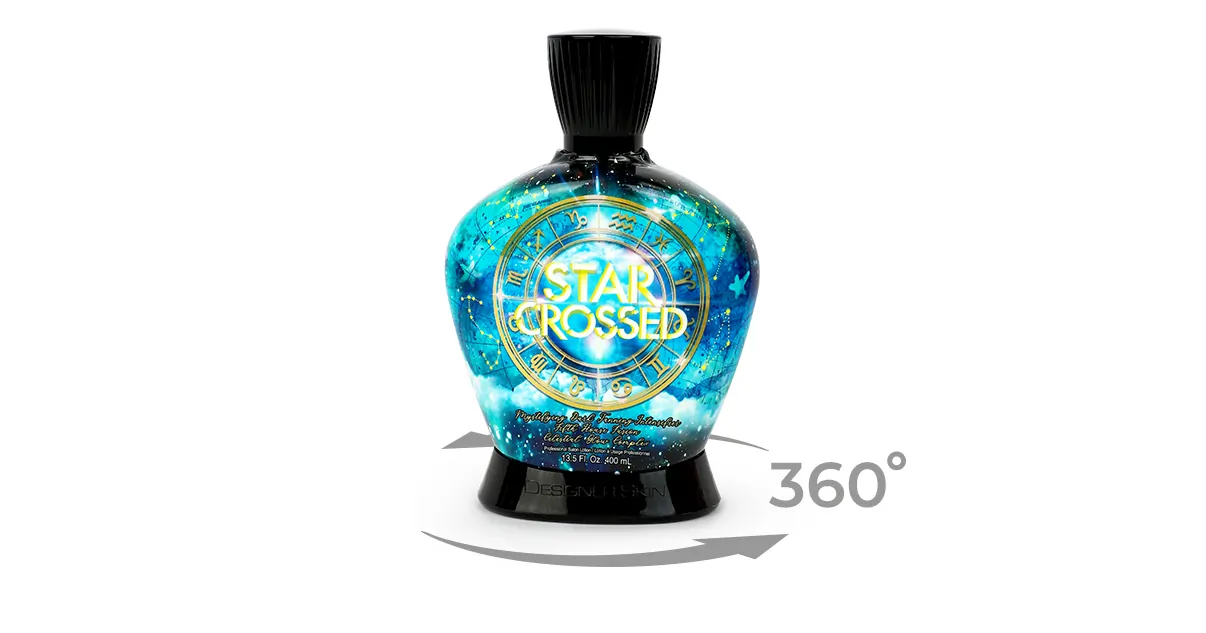
With this 360° product photography service system, you get to be the controller of the spin. Think like you’re looking at Amazon’s new pair of sneakers. Now, with an Amazon 360° product photography spin, you can rotate around to see the tread on the bottom, the stitching on the side and even peek inside!
In case you want to check out a uniquely shaped sculpture with multi-row 3D, with this 360° product photography, you can not only spin it left and right but also look at it from above to see its top design and from below to see its base.
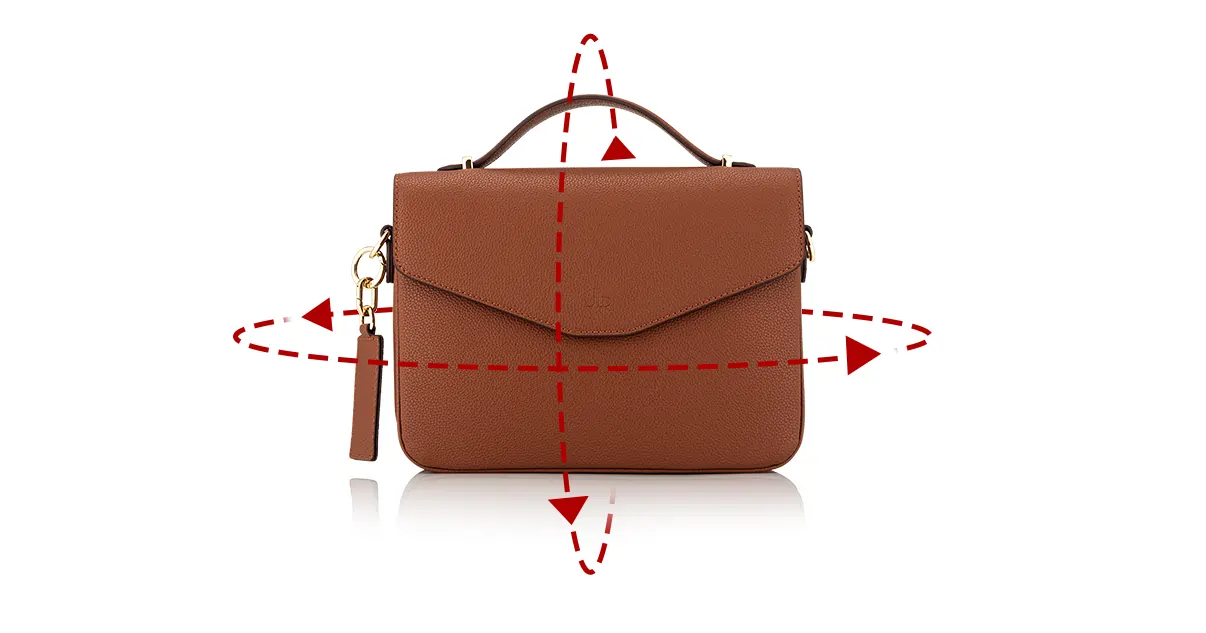
Suppose you’re looking at a coffee maker from a virtual shop that you can spin around; then you can even tilt it up a bit to get a better view of the lid and controls. This spin usually gives you more control than a simple one but isn't as fully 3D as a multi-row.
Some short video clips are added for showing movement or specific features in action. Picture looking at a car virtually, and now you can see short video clips from different angles showing its wheels turning or a door opening and closing as you rotate it.
This might let you spin any product like intricate jewelry and zoom in to see the tiny details as if you were holding it under a magnifying glass. Mainly, all these are created using 3D modeling software to make them incredibly detailed, allowing for a very interactive experience by rotating them freely and zooming in incredibly close.
Let’s be honest; wouldn't you feel way more confident in online shopping if you could actually see the whole product before buying? Certainly, you will with the 360° product photography service. Now, let’s see why it's a smart move for your business:

360° product photography started in 1839 when the inventor of the daguerreotype process, Louis Daguerre, captured his first panoramic photograph by adjusting multiple photos together to create a wide-angle view as the foundation of today’s modern 360° visuals.
Then, in the 1920s, the invention of the Cirkut camera simply revolutionized panoramic photography as this amazing device could rotate on its axis while capturing a full 360° view in a single shot.
Due to the advanced technology, panoramic photography was turning into product photography. The major reason behind this was the rise of e-commerce sector within the 1990s to 2000s that created a huge demand to showcase products online, perfectly. So, there they got the idea of 360° product photos for eCommerce!
Initially, these spins were very complicated, requiring setups and extensive editing. However, as automated turntable for 360° product photography and stitching software became more accessible, brands started using it more.
The major explosion of 360° e-commerce photography occurred in the last decade. Mainly, advances in digital cameras, software like WebRotate360°, and faster internet speeds have made it easier than ever.
So now, shoppers can rotate shoes, zoom into furniture details, or inspect gadgets all from their screens only.
In fact, fashion retailers like ASOS and IKEA are also now showcasing clothes and furniture to let customers visualize products more realistically. Certainly, this technique has transformed how we shop online.
Professional setup for 360° product photography might sound complex, but it’s surprisingly manageable. Let’s break it down in an easy-to-follow way-
First things first, you need a dedicated space for your studio. Don’t worry about making it a fancy, professional studio; just make sure to keep in mind the following:
Your tools are the backbone of your setup for 360 degree product photography, so don’t ignore the following:
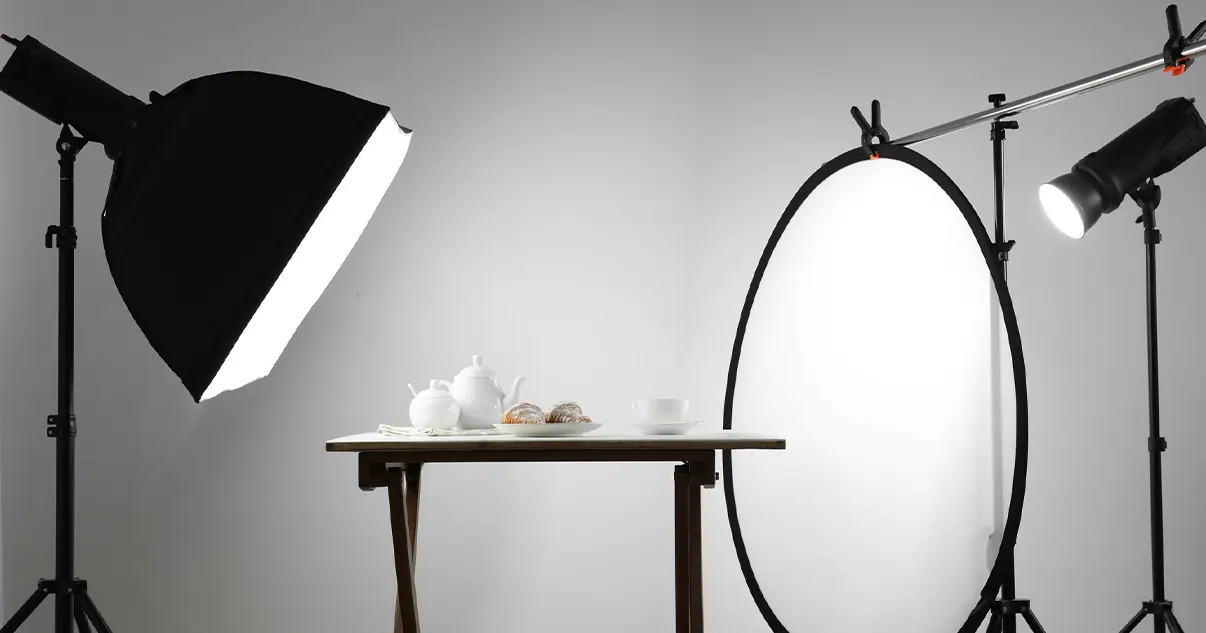
Lighting can make or break your photos. So try to do these:
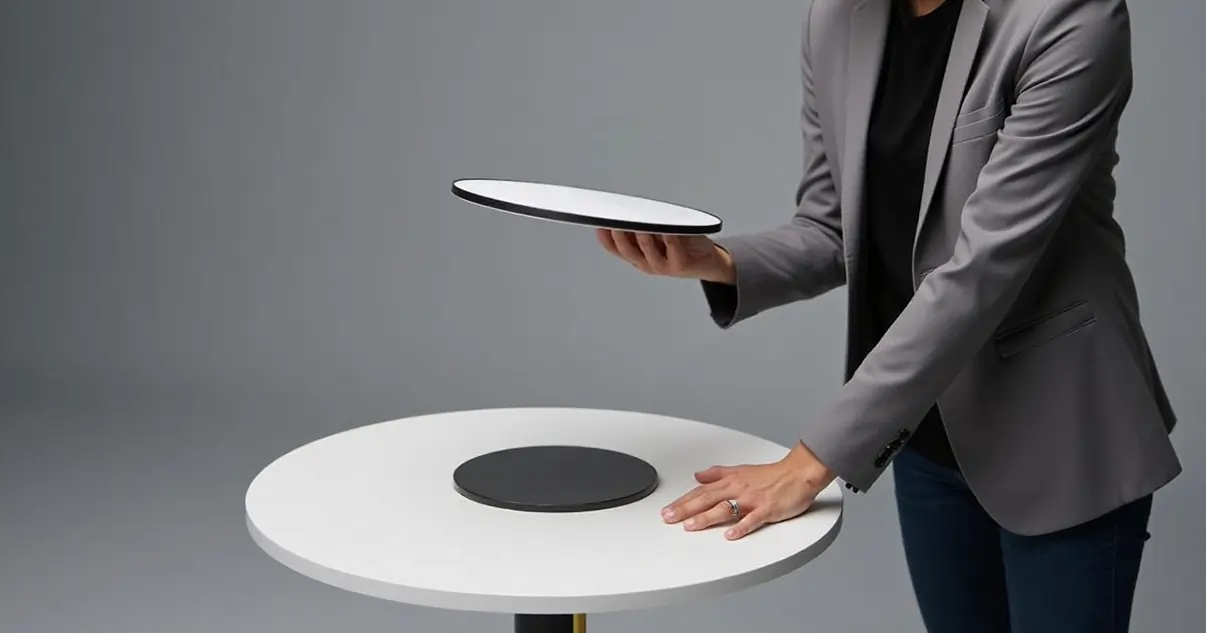
Put your turntable in the center of your arrangement on a firm surface in your selected place of photography. Also, make sure it rotates smoothly without jerks, as this is essential for making seamless spins for your product.
Furthermore, if you're using an electric turntable, such as the Foldio360°, pair it with the app for easy operation.
You can mount your camera on the tripod directly in front of the turntable. Adjust its height so that it’s level with the center of your product. Don’t forget to leave some space around the edges of the frame for cropping during post-production.
Before setting your product on the turntable, clean it properly to remove dust or smudges because every little detail will be visible in 360° e-commerce photography! So for smooth consistency, mark the center of the turntable so your product stays aligned during rotation.
Try to take some test shots to check lighting, focus, and framing before starting the full shoot. Also, don’t forget to adjust as needed until everything looks perfect.
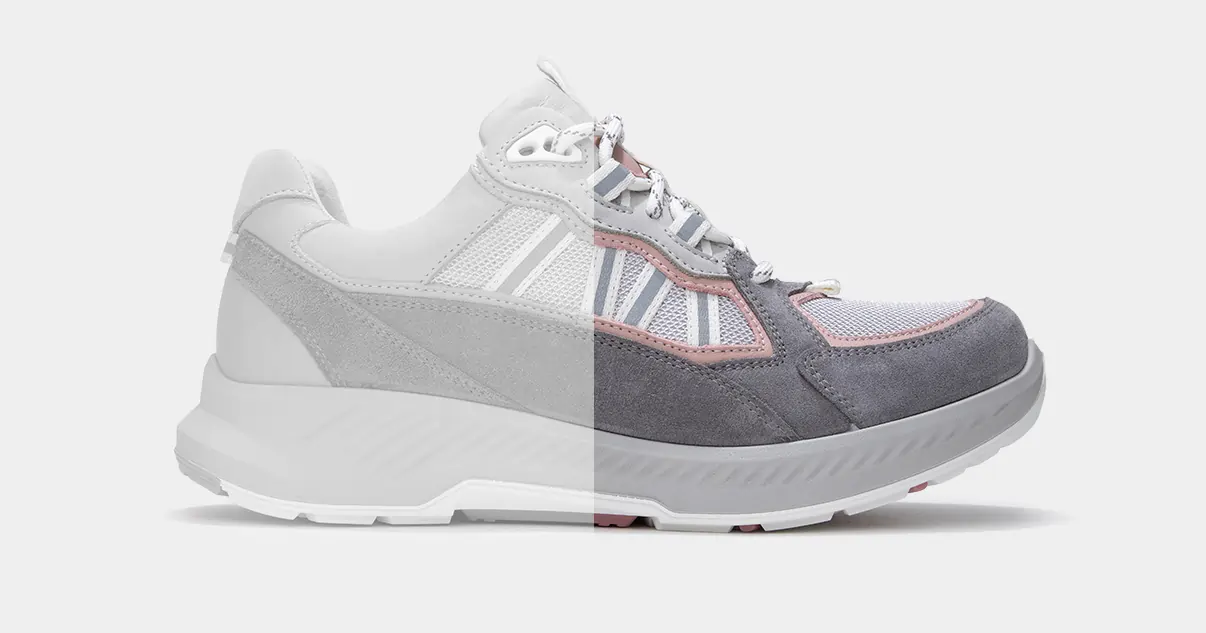
Professional retouchers use tools like Photoshop to refine all the product photos. Most of the time, they start by cropping and aligning them consistently, adjusting colors to enhance product features, and using batch processing to apply these edits to multiple images at once, saving you hours and attracting potential customers to your business.
Now that your images are edited, it’s time to get them ready for the website as well. It’s better to keep your file sizes under 20 MB to ensure fast loading times. Additionally, utilize free online compression tools to balance file size and image quality without compromising quality.
Nowadays, most users view online products via their smartphones, so make sure that your images load faster and look sharp on any screen.
360° e-commerce photography has proven to be a game-changer in e-commerce; even some of the giant brands are now fans of it!
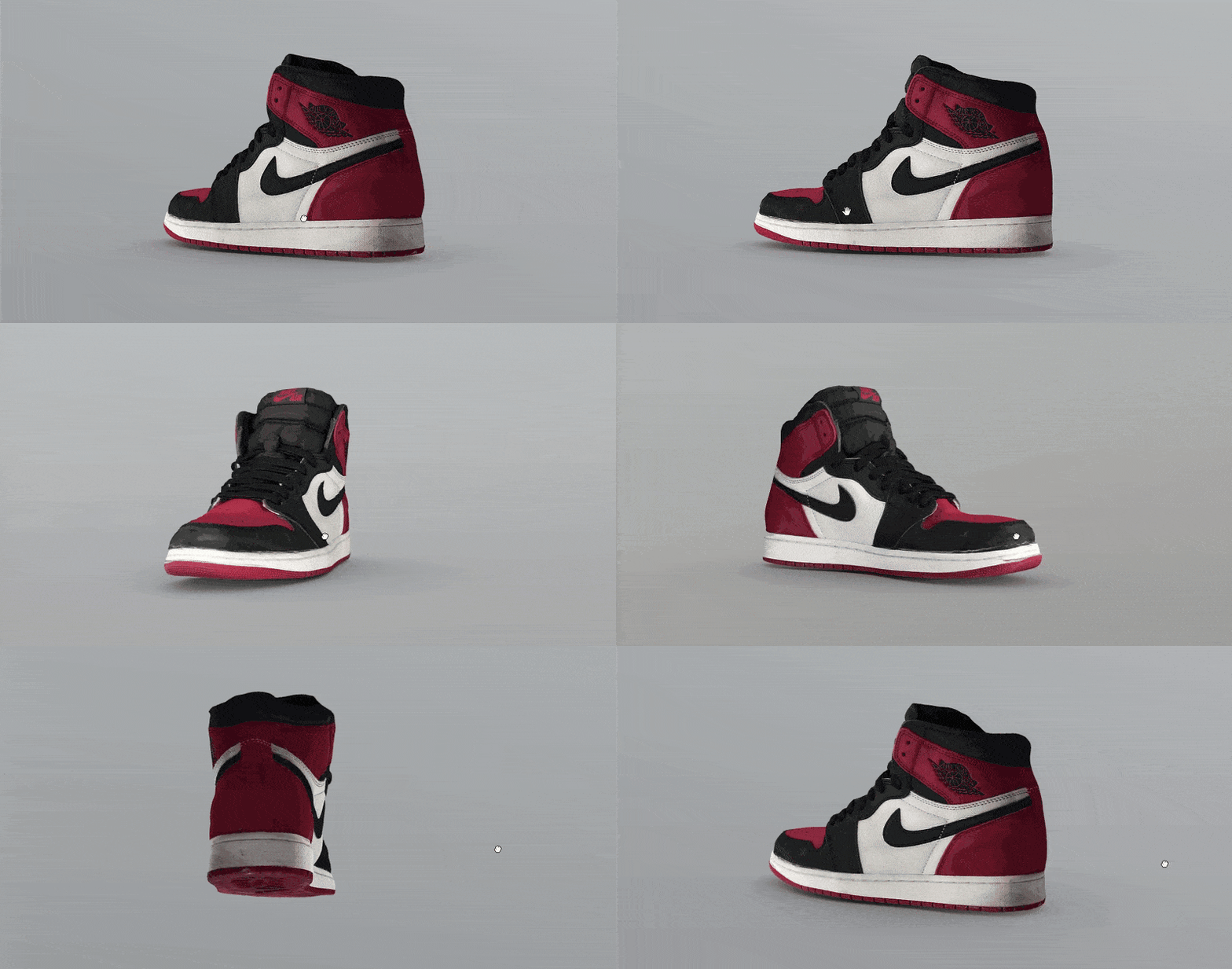
Sneakers of Nike stated having a high volume of customer engagement due to innovative use of 360° commercial photography. As this technology allows viewers to rotate and explore every angle of the shoes, including intricate design details, materials, and even the soles.
Nike not only got the extended time of customers on product pages but also huge impulse purchases by revealing details that static images simply can’t capture.

Rolex’s 360° product viewers are more than just functional, they’re artistic showcases if you ask me. With their dramatic lighting and perfectly paced spin video, viewers can appreciate every intricate detail without losing interest.
Given the high value and beauty of these watches, this interactive tool is indispensable for building trust and excitement among online buyers.
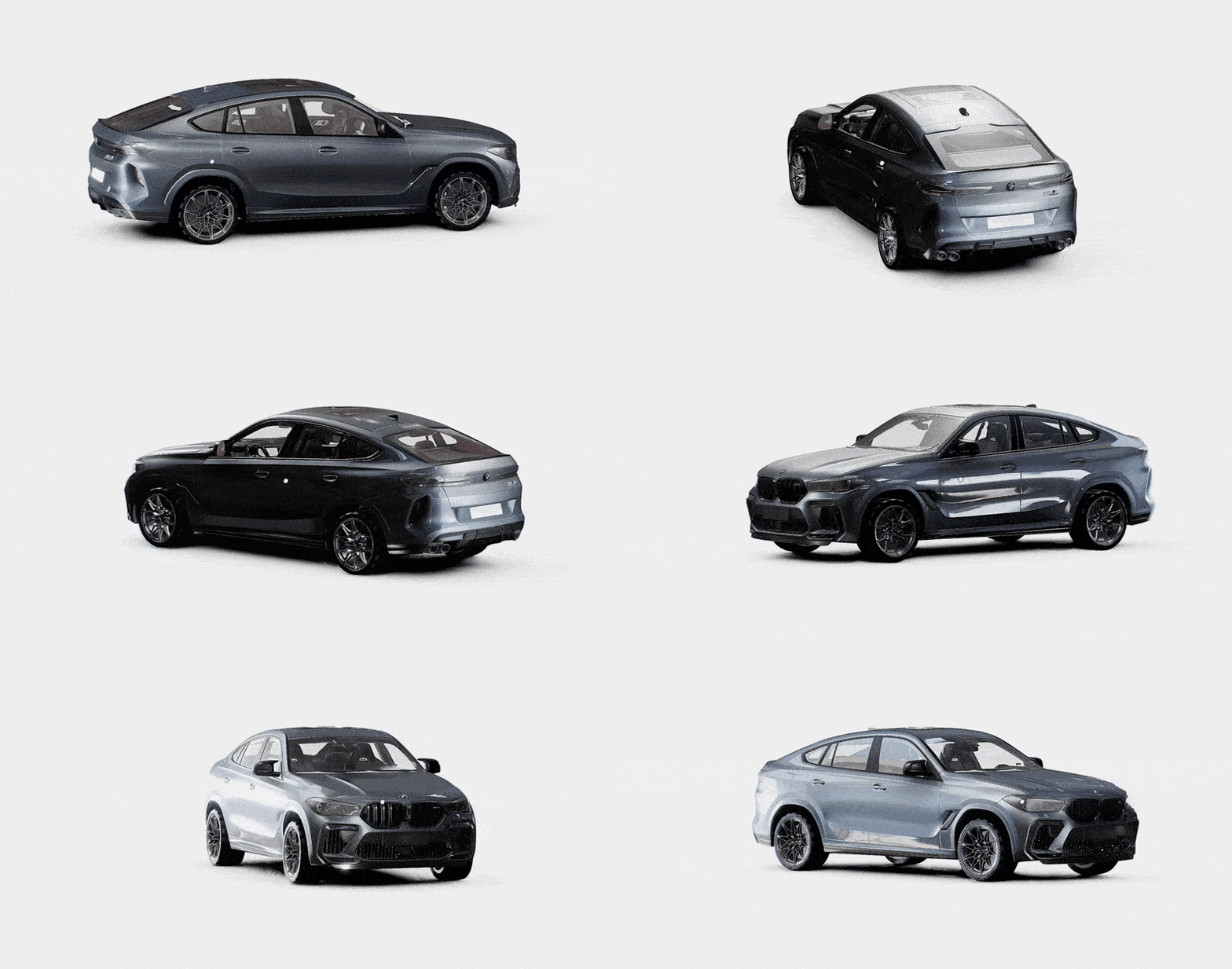
BMW's "Build Your Own" web page offers potential buyers an immersive experience to view their dream car from nearly every angle. Audiences can even build their own design from their site.
While the horizontal-only spin feature limits some perspectives, this interactive tool still provides enough allure to inspire customers to schedule a test drive—where they can truly experience the car’s performance and style.
Every good thing comes with a price, so here’s a breakdown of the costs of 360° e-commerce photography-
Some crucial cost factors that might affect the overall price:
The average cost of 360° commercial photography is as follows:
360° product photography service is a fantastic way to showcase products online, but like anything else, it comes with its challenges. So let’s break it down in a way that’s easy to understand.
High Initial Costs
When you start setting up 360° apparel photography can feel like a jumbo-sized hit to your wallet. The reason behind this is that buying a motorized turntable, lighting gear, and a decent camera, unfortunately, costs add up quickly. So, start small! If your wallet is on a diet, consider hiring equipment or investing in an affordable DIY setup.
Time-Consuming Process
Let’s be honest, capturing 24–72 frames per product and editing them can simply take hours, especially if you have a large inventory, isn’t it? So, streamline your workflow with automated turntables, software with precise intervals, and batch editing tools like Adobe Lightroom, which edits across all frames simultaneously.
Large File Sizes
Unfortunately, all these high-quality 360° portrait photography can result in giant file sizes that naturally slow down the site loading times. So, it's better to compress your photos with tools like TinyPNG or JPEGmini. Also, optimize your files for web use by keeping them under 20 MB per spin.
Platform Compatibility
Unfortunately, not all platforms support 360° e-commerce photography properly, which can ultimately make integration tricky.
So, check first if your platform offers plugins or built-in support for 360° apparel photography views (Shopify, WooCommerce, and Magento often do). You can also use third-party software that generates HTML embed codes compatible with most websites.
Got enough ideas on the enchanting realm of 360° product photography?
Then remember that with the perfect blend of top-notch 360° product photography equipment and perfect lighting setup, every detail of your products can shine like a treasure.
So what are you waiting for? Influence your target audience, transform their curiosity into conversions, and build an experience that leaves them spellbound with all the strategies from this 360° rotating product photography guide!
Absolutely! Post-processing is crucial to level up the image quality and consistency without increasing file size.



RetPix, MB is a private company registered in Lithuania (No. 306112201) with VAT ID LT100015912712. We are delivering high-quality photo retouching, graphic design, and video editing services worldwide with a focus on precision and client satisfaction.
Follow Us
 English
 Arabic
 Danish
 Dutch
Dutch
 Finnish
 French
 German
 Hebrew
 Croatian
 Czech
Czech
 Greek
Greek
 Ukrainian
 Estonian
 Hungarian
 Turkish
 Italian
 Japanese
 Norwegian
 Polish
 Portuguese
 Romanian
 Spanish
 Swedish
 Russian
 Latvian
 Lithuanian
 Serbian
 Slovak
 Slovenian
 Luxembourgish